
About Fine Aggregates
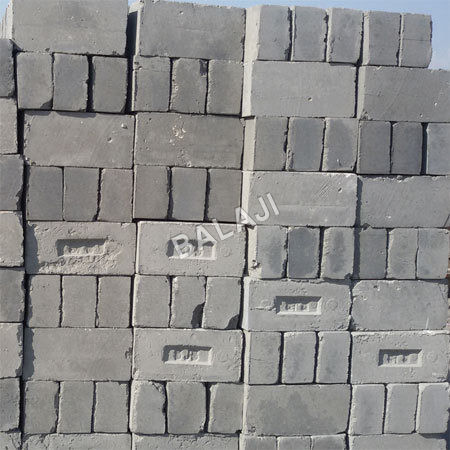
Technical details:
|
Material
|
Cement
|
|
Size
|
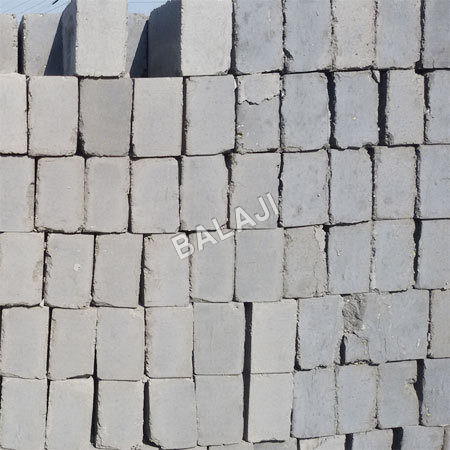
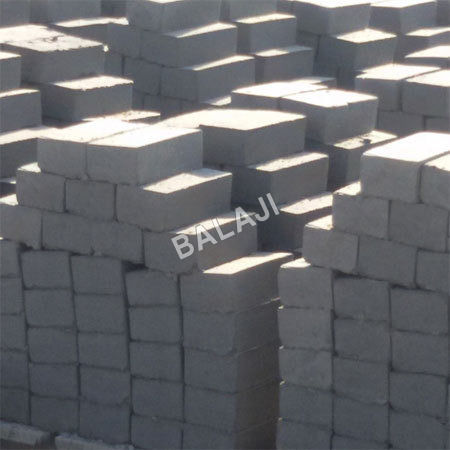
9 In. X 4 In. X 3 In.
|
|
Brand
|
A Garde
|
|
For Use in
|
Side Walls, Partition Walls
|
|
Resistance Durability
|
Fire Resistant
|
|
Compressive Strength
|
70-120 kg/cm2
|
Superior Quality for ConstructionFine aggregates are a vital component in concrete and mortar, offering strong compressive strength, typically between 20 and 60 MPa depending on the mixture. Their granular or angular nature, coupled with moderate porosity and natural moisture, makes them indispensable for robust load-bearing structures in buildings, roads, and bridges.
Stringent Gradation and CleanlinessEach batch of fine aggregate undergoes washing and screening processes, ensuring particles are below 4.75mm and highly consistent in quality. Their silt content remains under 3%, which supports durability, workability, and enhanced structural integrity for any construction project.
Flexible Packing and Sourcing OptionsSupplied by a leading distributor, manufacturer, supplier, and trader in India, these fine aggregates are available in both loose and bagged packaging to suit varying project scales and logistical requirements. Sourced from reliable riverbeds and quarries, both river sand and crushed stone options are offered.
FAQs of Fine Aggregates:
Q: How are fine aggregates used in building and infrastructure construction?
A: Fine aggregates are blended with cement and water to create concrete and mortar, serving as a foundational element in the construction of buildings, roads, and bridges. Their uniform size and cleanliness help achieve the required strength and workability for durable, load-bearing structures.
Q: What benefits do fine aggregates with low silt content provide?
A: Aggregates containing less than 3% silt ensure that concrete and mortar remain clean, cohesive, and free from impurities. This leads to improved bonding, reduced risk of cracks, and enhanced longevity in finished structures.
Q: When is it ideal to use river sand versus crushed stone sand?
A: River sand is often chosen for its smooth texture and consistent granularity in plastering and fine surface works. Crushed stone sand, with its angular particles, is preferred for concrete due to better interlocking and strength. The selection depends on specific construction requirements and desired finish.
Q: Where can these fine aggregates be sourced in India?
A: These fine aggregates can be procured from a network of authorized distributors, manufacturers, suppliers, and traders across India. They are available in major cities and construction hubs, ensuring easy access for bulk and project-specific needs.
Q: What is the process for ensuring aggregates are clean and well-graded?
A: The aggregates are subjected to thorough washing and mechanical screening to remove clay, silt, and oversized particles. This guarantees consistent gradation, optimal workability, and minimizes impurities that could compromise structural performance.
Q: How does moisture content affect the use of fine aggregates?
A: The natural moisture content of fine aggregates may fluctuate seasonally. Proper mixing adjustments are essential at job sites to maintain the correct water-to-cement ratio, ensuring concrete and mortar achieve their intended strength and finish.