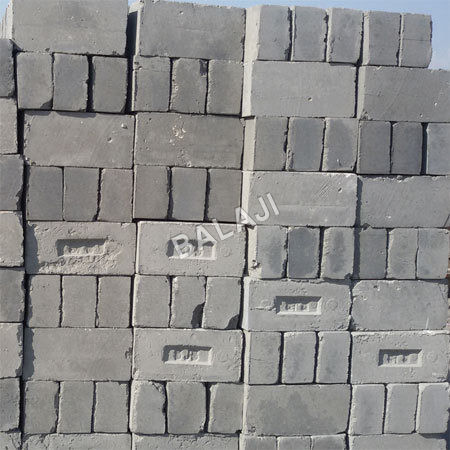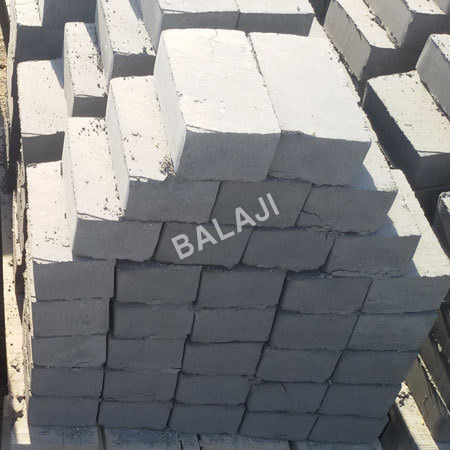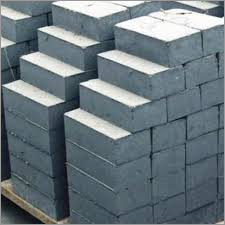


About Fly Ash Block
Technical details:
|
Material
|
Cement
|
|
Size
|
9 In. X 4 In. X 3 In.
|
|
Brand
|
A Garde
|
|
For Use in
|
Side Walls, Partition Walls
|
|
Resistance Durability
|
Fire Resistant
|
|
Compressive Strength
|
70-120 kg/cm2
|
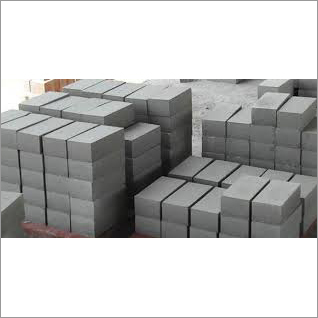
Superior Performance for Structural ApplicationsFly Ash Blocks deliver high compressive strength (7.510 N/mm) and lightweight construction, making them ideal for both load-bearing and partition walls. Their low porosity and excellent drying shrinkage (<0.10%) ensure minimal maintenance and long-term stability in various climates.
Eco-Friendly and Sustainable ChoiceManufactured from recycled fly ash, these blocks contribute to sustainable building practices. Their production process, using autoclaving or steam curing, reduces environmental impact while ensuring a high-quality finish and consistent dimensions.
Outstanding Fire and Sound InsulationThe blocks offer up to four hours of fire resistance and superior acoustic performance, enhancing safety and comfort inside buildings. Their dense structure and smooth finish further help reduce external noise and promote safer, quieter indoor environments.
FAQs of Fly Ash Block:
Q: How are Fly Ash Blocks manufactured for optimal strength and durability?
A: Fly Ash Blocks are produced using an autoclaved or steam-cured process, combining fly ash, cement, and water. This method ensures high compressive strength (7.510 N/mm) and uniform density, making the blocks robust and long-lasting for structural use.
Q: What benefits do Fly Ash Blocks offer over traditional clay bricks?
A: Fly Ash Blocks provide superior fire resistance (up to 4 hours), excellent sound insulation, lower water absorption, smoother finishing, and eco-friendliness due to their recycled material content. They also ensure high frost resistance and greater working life (over 50 years).
Q: Where are Fly Ash Blocks commonly used in construction projects?
A: These blocks are widely used for constructing internal partition walls, external load-bearing walls, and various building segments in residential, commercial, and industrial projects throughout India due to their size flexibility, strength, and insulation properties.
Q: What is the process for installing Fly Ash Blocks at a site?
A: Installation involves arranging the blocks in courses using mortar, similar to traditional masonry practices. Their smooth finish and precise dimensions help speed up laying and minimize finishing work, making them convenient for on-site usage.
Q: When is it recommended to use Fly Ash Blocks in a project?
A: Fly Ash Blocks are ideal when construction demands high fire resistance, enhanced sound insulation, eco-friendly materials, and long-term durability, especially for structures exposed to variable climates or requiring sustainable practices.
Q: How does the thermal conductivity of these blocks impact energy efficiency?
A: With thermal conductivity rated at 0.53 W/mK, Fly Ash Blocks help reduce heat transfer through walls, improving energy efficiency and indoor comfort by keeping interiors cooler in summer and warmer in winter.